

Air Photo Interpretation
Image interpretation (in this case aerial photo interpretation) is the most basic form of analysis, consisting of manual identification of features in a remote sensing image through visual interpretation. Image interpretation is based on elements that are inherent in imagery.
Elements of Photo Interpretation
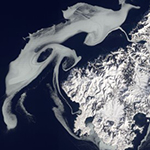 |
ShapeShape is the general form or outline of objects. The shape of objects or features can provide information that can aid in identification. Regular geometric shapes and straight edges are usually signs of human presence. |
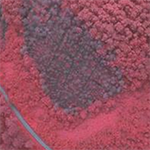 |
Tone/ColorTone (the variation from white to black) or color is the relative brightness or color of elements in a photograph. May factors influence the tone or color of features, include the spectral properties of objects as well as the direction of illumination. For example, tone or color can be used to distinguish deciduous from coniferous tree in infrared photography. |
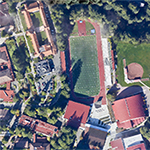 |
SizeThe size of objects depends on the scale of the photograph, may need to use surrounding objects or known objects to help determine scale. The relative sizes among objects in an image can be considered. |
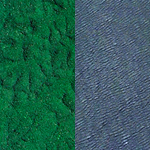 |
TextureThe “smoothness" or "roughness" of image features is caused by the frequency of change of tone in photographs. Calm water has a smooth texture; a forest canopy has a rough texture |
 |
Association/SiteContext can often can help identify objects. Features can often be identified by associating the presence of one object with another, or relating it to its environment. How objects are arranged with respect to one another; or with respect to various terrain features, can also aid in interpretation. |
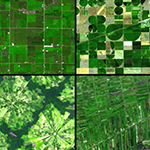 |
PatternPattern is the spatial arrangement of objects, they can be natural or man-made. The repetition of certain forms is distinct for many features. For example the ordered spatial arrangement of trees in an orchard is distinct from that of a natural forest stand. |
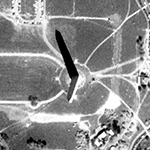 |
ShadowShadows can useful in identifying objects that may otherwise be difficult to recognize. Shadows can provide information about object's height, shape, and orientation. |